Source childrens clothing cotton gauze fabric for Apparel, Home Textile, and Garment Use
Find 30 listings for childrens clothing cotton gauze fabric, featuring 100% cotton woven materials with light to medium weight options. Compare specifications like 40s and 16s yarn counts, plain and printed styles, and customization availability for garment and home textile applications.
Key considerations
Products List



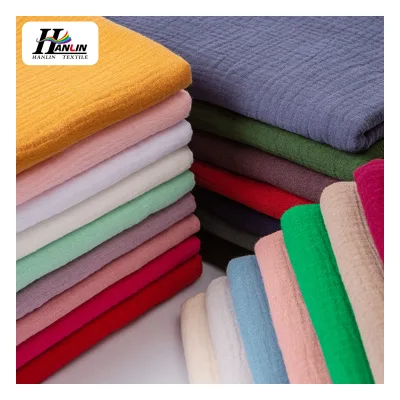
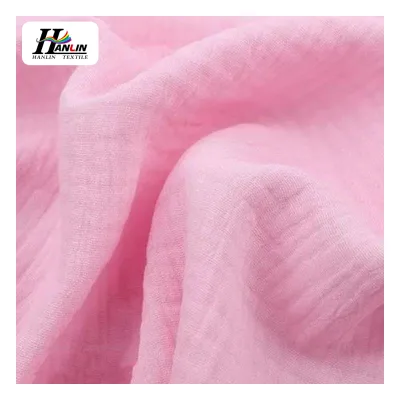
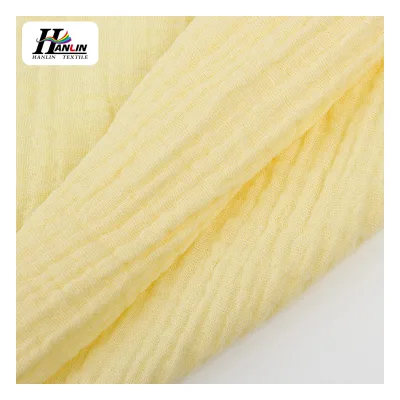
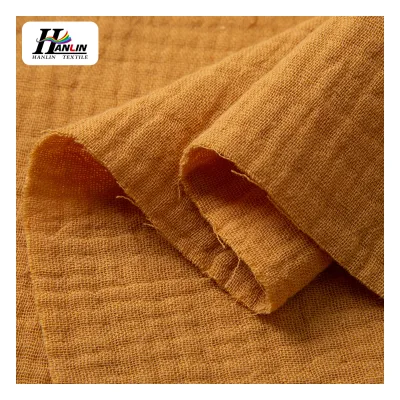

Comprehensive Sourcing Guide
Childrens Clothing Cotton Gauze Fabric Sourcing Guide
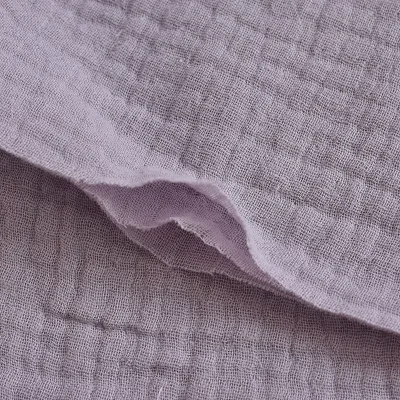
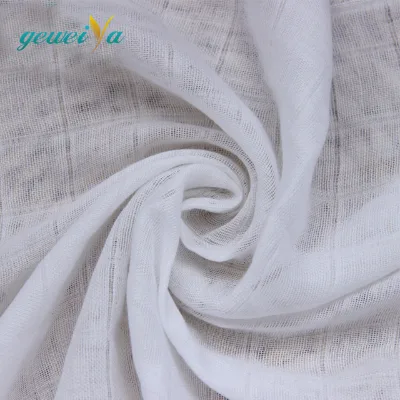
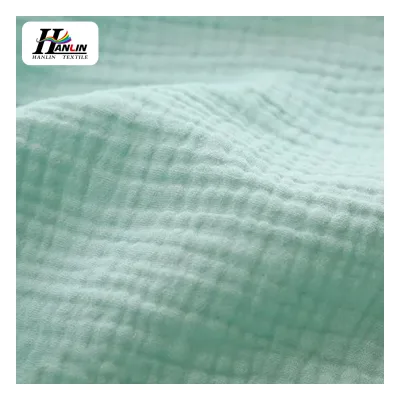
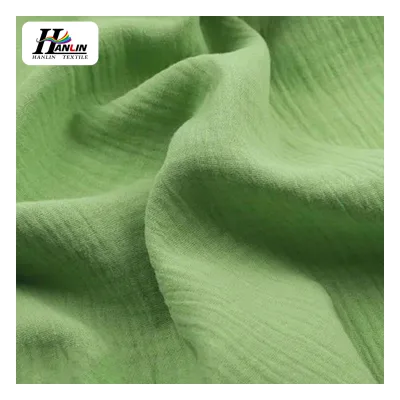
Sourcing cotton gauze fabric for children's clothing requires a precise understanding of the material's unique weave structure and its specific performance characteristics in the garment sector. The observed product data indicates a strong prevalence of 100% cotton compositions, which are essential for ensuring the hypoallergenic properties and breathability required for infant and toddler apparel. Buyers must recognize that while the core material is consistent, the specific construction varies significantly between listings, ranging from light-weight variants suitable for summer wear to medium-weight options that offer slightly more durability for everyday garments.
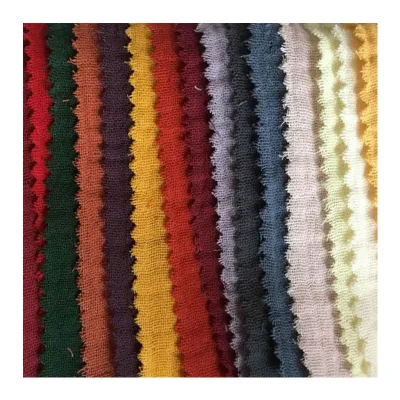
The procurement landscape for this category is defined by a diverse range of customization capabilities and production models, including both ready-to-ship inventory and made-to-order scenarios. Suppliers in the Shaoxing region, a known textile hub, offer products with varying widths from 52 inches to over 200 inches, necessitating careful alignment with pattern cutting requirements. The availability of customization for colors, designs, and specific yarn counts allows buyers to tailor the fabric to their brand's aesthetic, but it also introduces complexity in verifying that the final product meets the intended softness and handfeel standards critical for sensitive skin.
Product Scope and Observed Listing Signals
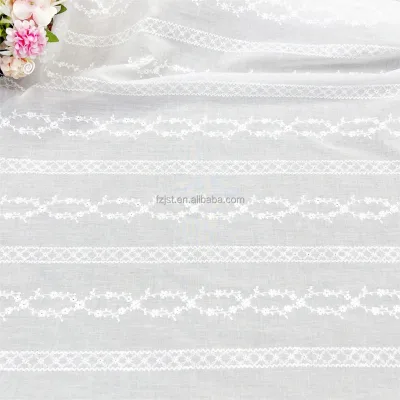
The product scope for children's clothing cotton gauze encompasses a variety of styles, including plain dyed, yarn-dyed, and printing techniques, each serving different design intents. Listings frequently highlight attributes such as "comfortable fit," "gentle and breathable," and "fashionable" as primary selling points, which directly correlate with the functional needs of children's wear. The observed data shows a mix of plain patterns and customizable color designs, with some suppliers offering specific models like JB-P099 or muslin series variants that suggest distinct weave densities or finishing processes.
Buyers should note the significant variation in gross weight and thickness across available listings, which serves as a key signal for the intended end-use application. While some products are specified as "light" or "light weight" with a gross weight around 120g to 130g, others are marked as "medium weight" with weights reaching 175g to 180g. This variance dictates the suitability of the fabric for different garment types, such as lightweight swaddles versus more structured shirts or dresses, and requires the buyer to explicitly define their thickness requirements before engaging with suppliers.
Technical Specifications to Verify
Verifying the technical specifications of cotton gauze is critical to ensuring the fabric performs as expected in the final garment. The yarn count is a primary specification to confirm, with observed data showing options like 16s and 40s, which directly influence the fabric's texture and drape. A 40s yarn count typically results in a finer, softer handfeel often preferred for baby clothing, whereas a 16s count may produce a more robust, textured fabric suitable for outerwear or heavier garments. Buyers must cross-reference the listed yarn count with the desired tactile experience to avoid mismatches between the sample and the bulk order.
Width and weave density are equally vital technical parameters that impact cutting efficiency and fabric yield. The observed width ranges from standard 52-53 inches and 55-56 inches to broader 57-58 inch and even 135-200 inch options, which may require specific loom setups or result in different waste percentages during production. Additionally, the standard weave specifications, such as 3030150 or 4040108*84, provide insight into the thread density and overall fabric stability. Confirming these exact numerical standards ensures that the fabric will not shrink excessively or lose its shape after washing, which is a common concern in children's apparel.
Compliance and Safety Documentation
While specific certification statuses like OEKO-TEX or GOTS are mentioned in background contexts, buyers must treat these as verification targets rather than guaranteed attributes of every listing. For children's clothing, the primary safety requirement is the assurance that the fabric is free from harmful substances, which is often linked to the 100% cotton composition and the specific dyeing processes used. The observation of "Yarn Dyed" and "Full Dyed" techniques suggests a level of colorfastness, but buyers should explicitly request test reports confirming the absence of formaldehyde, heavy metals, and other regulated chemicals before finalizing any order.
Care instructions provided in the listings, such as "Machine Wash" and "Hand Wash," offer a baseline for the fabric's durability and maintenance requirements. However, these instructions should be validated against actual wash testing to ensure the fabric retains its softness and does not pill or degrade after repeated laundering. Since the product origin is listed as China, specifically Shaoxing, buyers should be aware of the varying levels of regulatory enforcement and insist on third-party laboratory testing results that align with the safety standards of the destination market, rather than relying solely on the supplier's self-declared care labels.
Cost Drivers and Commercial Terms
The cost of children's clothing cotton gauze is heavily influenced by the complexity of the customization and the specific technical specifications selected. The observed price range of 0.7 to 4.84 USD reflects the spectrum from basic plain dyed fabrics to more complex printed or custom-colored variants. Factors such as the yarn count, the specific weave density, and the width of the fabric all contribute to the final unit price, with finer yarns and wider widths generally commanding higher costs due to increased material usage and production complexity.
Commercial terms, particularly Minimum Order Quantity (MOQ), vary significantly across the market, ranging from as low as 1 unit to as high as 4800 units. This wide disparity allows for flexibility in sourcing, enabling buyers to test the market with small quantities or secure bulk pricing for large production runs. The availability of "Ready Goods in Stock" can also impact pricing and lead times, offering a faster turnaround for urgent orders but potentially limiting customization options. Buyers must balance the trade-off between the lower MOQs of ready goods and the cost efficiency of larger, customized orders when planning their procurement strategy.
Supplier Qualification and Quality Control
Qualifying a supplier for cotton gauze production requires a rigorous assessment of their technical capabilities and consistency in delivering the specified product attributes. The presence of multiple product models, such as the JB series and muslin variants, indicates a supplier's capacity for diverse production runs, but buyers must verify that the supplier can consistently maintain the "soft" handfeel and "light" or "medium" weight specifications across different batches. The observation of various packing methods, including rolls, bales, and double fold packing, suggests that the supplier has established logistics, but the buyer should confirm that the packing method protects the fabric from damage and contamination during transit.
Quality control processes should focus on verifying the consistency of the weave and the uniformity of the dye application, especially for "Yarn Dyed" and "Printing" styles. Since the product origin is concentrated in Shaoxing, China, buyers should consider conducting on-site audits or requesting detailed quality assurance protocols to ensure that the "100% Cotton" claim is accurate and that the fabric meets the stated width and thickness tolerances. Establishing a clear communication channel for resolving quality issues and defining acceptable defect rates is essential to maintaining the integrity of the final children's clothing products.
Long-Term Procurement Checks
Establishing a long-term procurement relationship for cotton gauze involves continuous monitoring of supply chain stability and the supplier's ability to adapt to changing market demands. Buyers should regularly review the supplier's inventory levels of key models, such as the muslin series or specific JB models, to ensure that the supply of ready goods remains consistent and that lead times do not fluctuate unexpectedly. The ability of the supplier to support customization, including specific color designs and pattern requirements, is a critical factor for maintaining brand consistency and responding to seasonal trends in children's fashion.
Performance tracking should include periodic re-testing of fabric samples to verify that the "Comfortable Fit," "Gentle," and "Breathable" attributes remain consistent over time. As the supplier may offer different thicknesses and weights, buyers must ensure that the specific grade of fabric selected for a product line does not change without prior notification, as this could affect the garment's fit and feel. Regular audits of the supplier's production standards and adherence to safety documentation will help mitigate risks and ensure that the long-term partnership delivers reliable, high-quality materials for children's clothing manufacturing.
FAQs
What materials are used for this childrens clothing cotton gauze fabric?
The fabric is made from 100% cotton, ensuring a gentle and breathable feel suitable for sensitive skin. This natural composition supports comfortable fit and fashionability in garment applications. The material is available in various weights, including light and medium options, to meet different seasonal and design requirements for children's apparel.
Can I customize the design and color of the fabric?
Yes, customization is available for both color and design elements. Buyers can request plain dyed, yarn dyed, or printing styles, including penetration printing techniques. The supplier supports customized patterns and colors, allowing for unique aesthetic choices that align with specific brand identities and children's clothing design trends.
What are the standard specifications for the woven cotton gauze?
Standard specifications include yarn counts such as 16s and 40s, with widths ranging from 52-53 inches to 57-58 inches. Common weave structures include 30*30*150 and 40*40*108*84 configurations. These technical details ensure the fabric meets specific durability and texture requirements for various garment and home textile applications.
Is the fabric available in ready goods or stock?
Ready goods are available in stock for immediate shipment. This option reduces lead times for buyers needing quick turnaround on children's clothing orders. The stock items typically come in rolls, offering convenient packaging for direct integration into manufacturing processes without waiting for production cycles.
How should the cotton gauze fabric be cared for?
The fabric supports both machine wash and hand wash care instructions. This versatility makes it practical for children's clothing that requires frequent cleaning. The gentle and breathable nature of the 100% cotton material ensures it maintains its soft handfeel and structural integrity after washing.
Where is the cotton gauze fabric manufactured?
The fabric originates from Shaoxing, China, a known hub for textile production. This location supports efficient sourcing and logistics for international buyers. The manufacturing base ensures access to established supply chains and consistent quality control for woven cotton materials used in apparel.